What people don’t always tell you about yoga teacher training…
Choosing between the multitude of different Yoga teacher training providers can be very daunting. There are so many different teaching styles and lineages, not to mention the way different schools deliver their training varies enormously. It’s important to know what to expect. Taking your time to research and find the approach that complements your personal practice and what draws you to Yoga is of paramount importance.
However, a common question I’m often asked is what commitment is required outside of the actual in-person teacher training hours?
This is a great question, as some yoga teacher trainings may not require anything. However, at Harmonise, there is pre-course learning to do before the face-to-face training starts in order to gain the maximum benefit once studio contact hours begin.
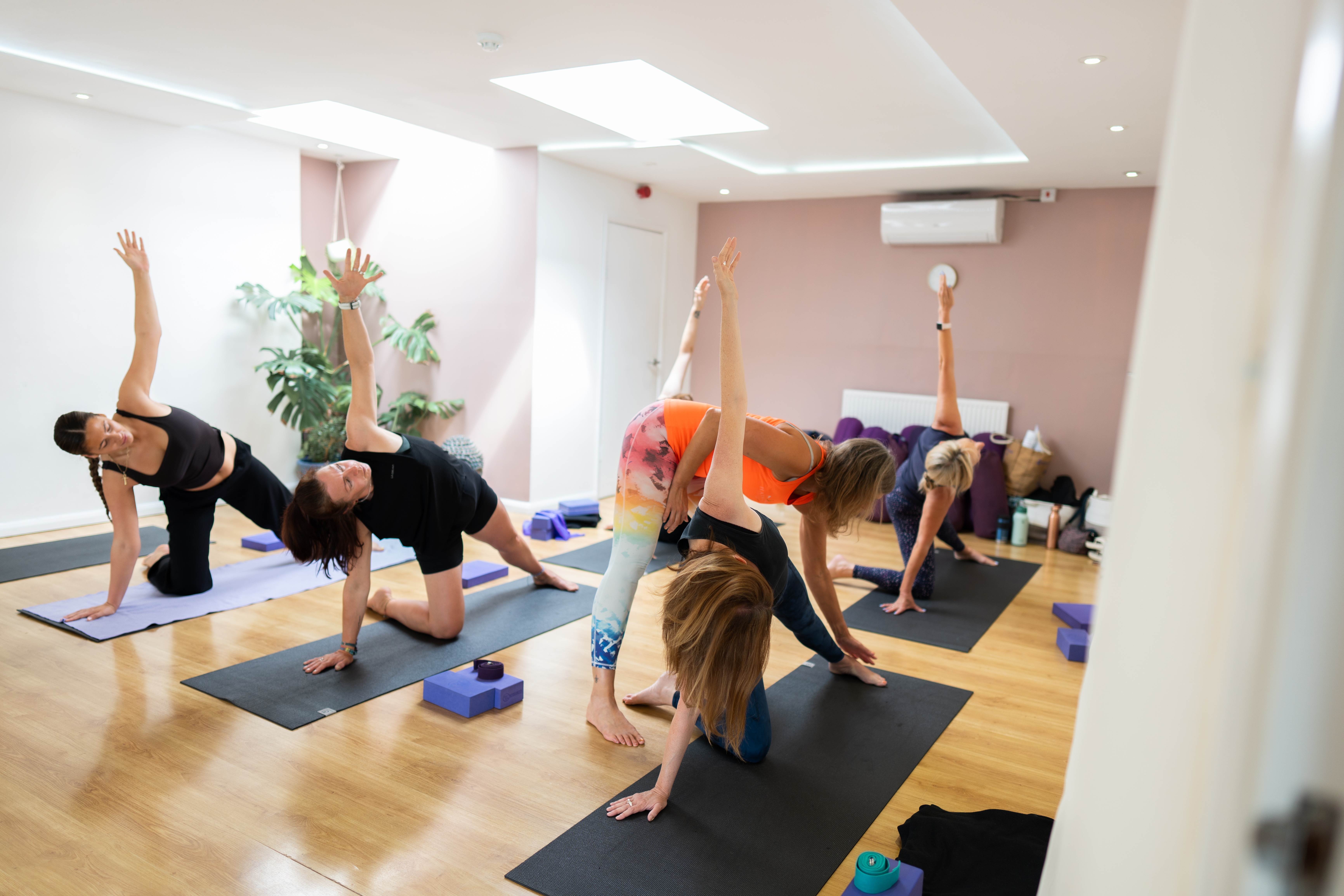
We also spread the in-person training out over a period of three months so there is time to digest new information, integrate experiences, complete coursework, practise teaching and gain confidence in between training weekends.
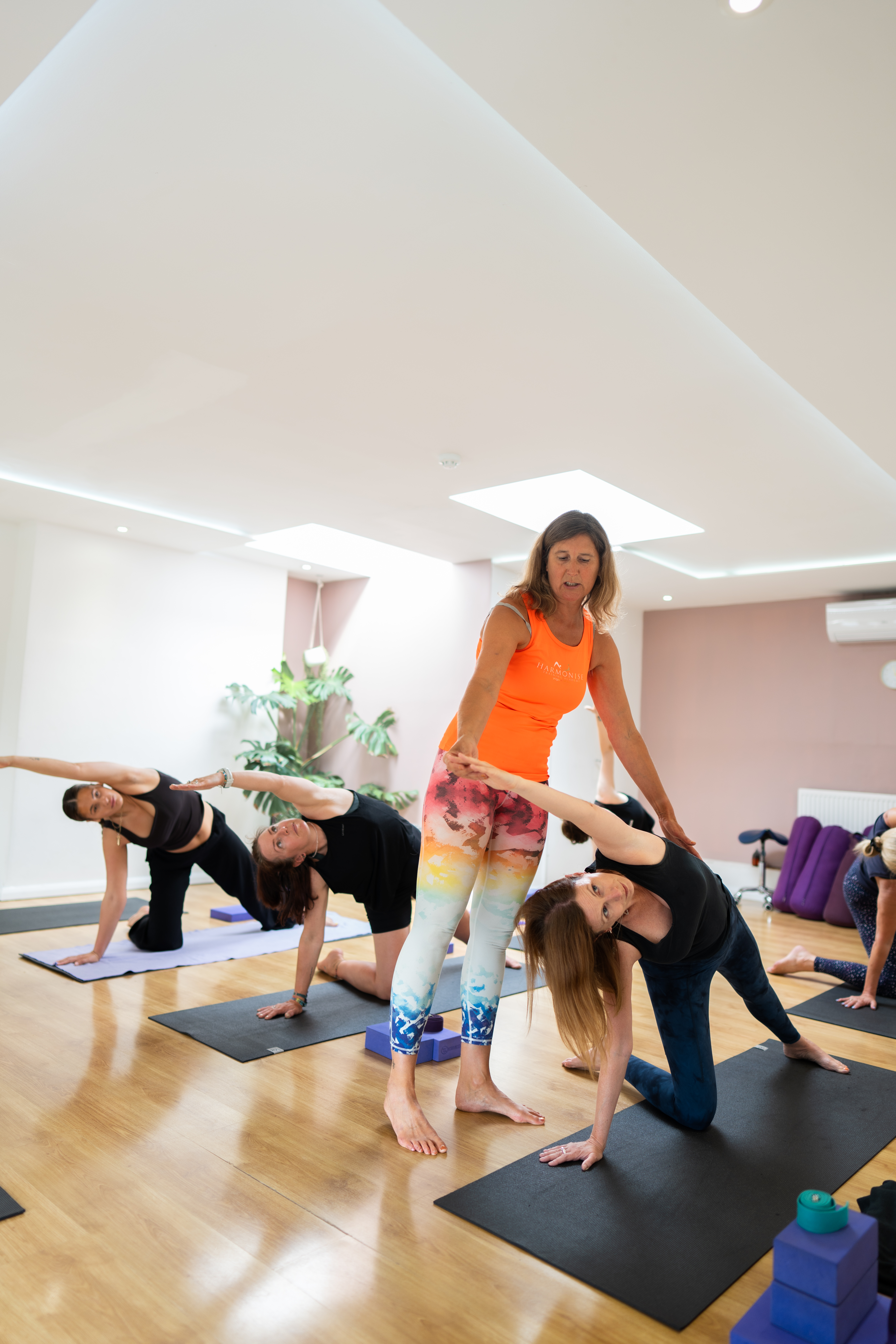
Time and time again, we have seen this structure deliver incredible results, and we regularly receive enthusiastic feedback regarding the personal satisfaction in how much growth and development there is in such a short space of time.
So, what does this look like in practice? There are a few things you can do before the face-to-face training starts to help you get the most out of your time together. Here are my top tips…
Give yourself plenty of time to prepare
If you can, sign up at least three months prior to the face-to-face training starting. This gives you time to familiarise yourself with the welcome materials, reading and pre-course learning requirements, and explore the online resources we offer. It will also mean you benefit from the early bird discount!
You will receive access to the online yoga teacher training portal as soon as you sign up, so you can start exploring the resources and familiarising yourself with everything that’s available to you.
To help prepare for the History and Philosophical discussions on the course, there are two books that are required reading. We also recommend reading The Spiritual Teachings of Yoga by Mark Forester – you can even listen to this on audio if you prefer. Another fantastic book for pre-course reading or listening is The Untethered Soul, which is free on Spotify.
If you’re super eager to get one step ahead, you can also complete the Philosophy worksheets before the in-person training starts. Following student feedback, we have put everything you need to do this on the online platform and I would suggest budgeting approximately eight hours in total for this. This is a personal preference and could suit those working full time and/or juggling family commitments. Others may choose to wait until we go through it in person.
There is also some important anatomy learning to get ahead with.
Get to grips with anatomy before the course starts
Complete the anatomy pre-course learning before the face-to-face training begins, so you will get more out of the applied anatomy workshops once the course starts. I would recommend setting aside 5–6 hours for this.
There is a whole section on anatomy on the online platform, with lots of videos that support the pre-course learning. They have been recorded live during a yoga teacher training, so are a fantastic resource for pre-course preparation and are easy to watch at any time that’s convenient for you.
In order to prepare for the anatomy theory paper that you’ll sit on the second weekend of the face-to-face training, there is also a great video in the anatomy section on the online platform. In it, I literally go through the anatomy paper, so it’s a great video to familiarise yourself with and pre-empt any assessment nerves.
It also includes an experiential anatomy practical class so you can embody the anatomy, which many students report is a great way to learn. You can repeat this as many times as you like to help it sink in.
Start your yoga journal as soon as you sign up
Your own yoga practice is an important part of the training, and you need to have completed 70 hours by the time the course ends, so the sooner you start, the better. You will journal at least 20 hours of classes during the course, so you will need to do 50 hours in addition to this.
You can include any practical classes you attend, both in person and online. And you can include a maximum of 20 hours of self-led classes if you have a home practice. Any classes you attend on a retreat or at a workshop also count. When you sign up, you will receive a list of what to include in each journal entry.
Assuming you sign up three months prior to the course starting, this means approximately two hours of practical classes and journaling per week between sign up and course completion.
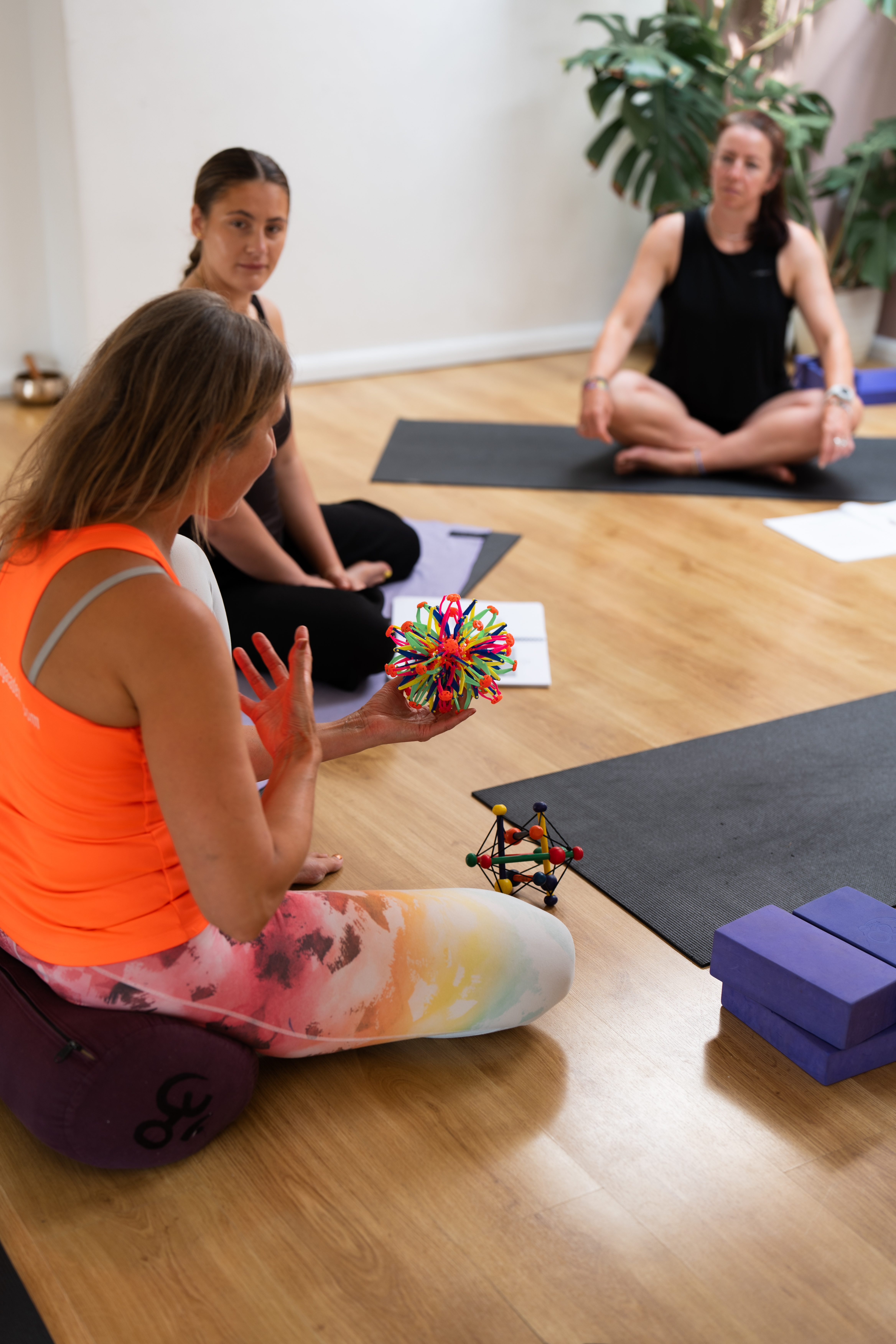
You will also receive access to the Harmonise on-demand library of classes, which you can use for your journaling, as well as any classes on the online Yoga teacher training platform.
Make time to practise teaching
Once the face-to-face training starts, you can then really focus on the practical side. I would recommend budgeting 2–3 hours per week in between the face-to-face weekends for teaching practice and writing lesson plans, all of which we will support you with.
This is one of the benefits of spreading the in-person training over a period of three months. Rather than trying to absorb everything in a short space of time, there is time to digest new information, integrate experiences, complete coursework, practise teaching and gain confidence before coming back together for the next training weekend.
What if you fall behind?
If you haven’t signed up in time to complete all of the pre-course learning, or if you find yourself getting behind during the course, please don’t despair!
The key aspects to focus on are the anatomy learning so you pass the theory paper on the second weekend, and preparing for the practical assessment on the Friday of the last weekend. An extension can be given for everything else, including the journal, as it’s coursework based.
We’ve had students sign up the day before the course starts and they’ve been just fine. We spread things out as much as possible and do everything we can to support you every step of the way.
What’s more, you’ll receive FREE lifetime access to the Yoga teacher training online portal, so it will always be there as a resource.
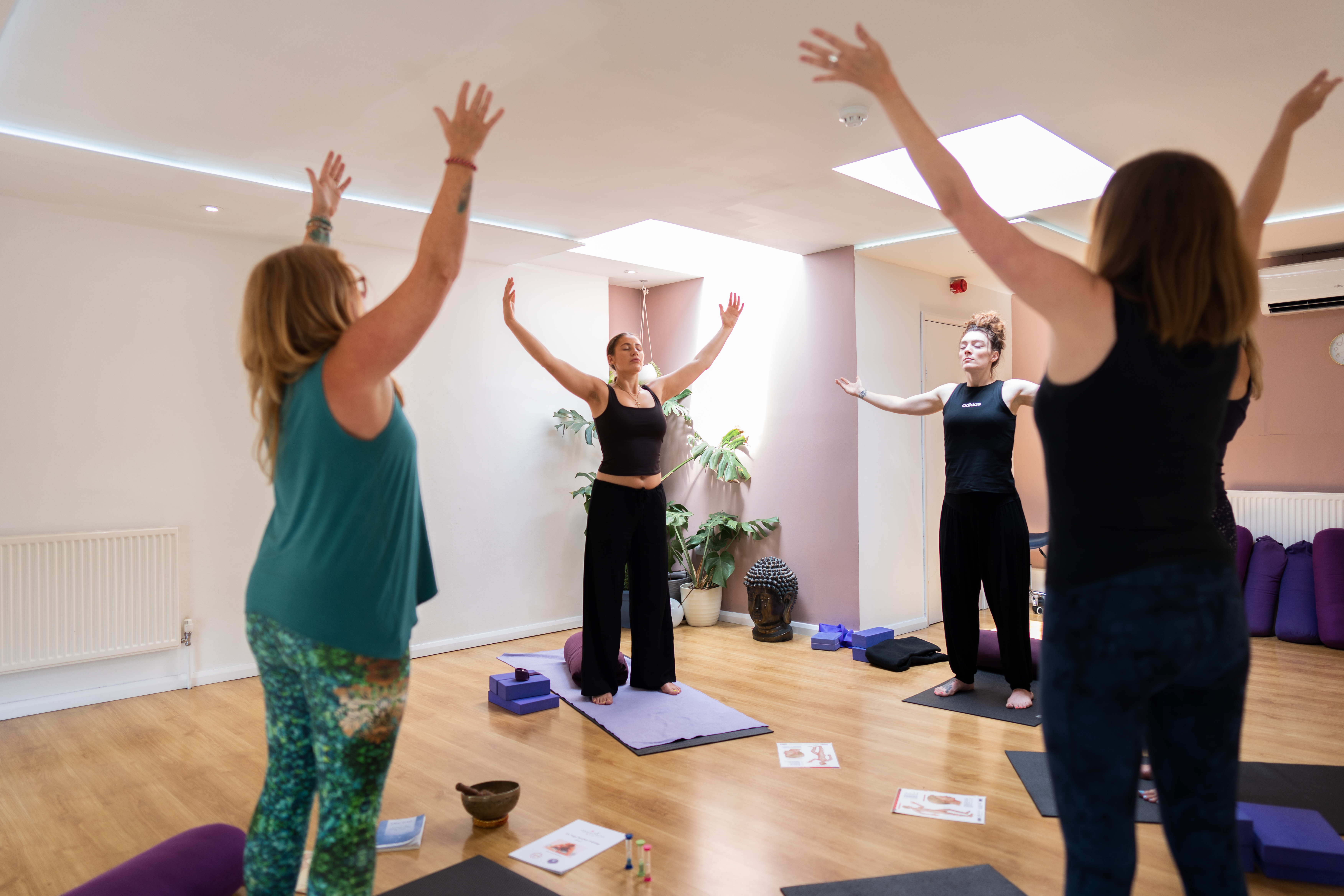
Most important of all? Trust the process
The key piece of advice I offer to students on the first day of the course is to trust the process. Allow it to unfold.
You’re not expected to know everything and teach like an experienced teacher straight away. However, with our guidance, you are very likely to be teaching like an experienced teacher by the end of the course!
This is the reality of an in-depth and thorough teacher training experience that will set you up for a successful career in the real world. As far as I am aware, all of our graduates who have wanted to teach have gone on to do so.
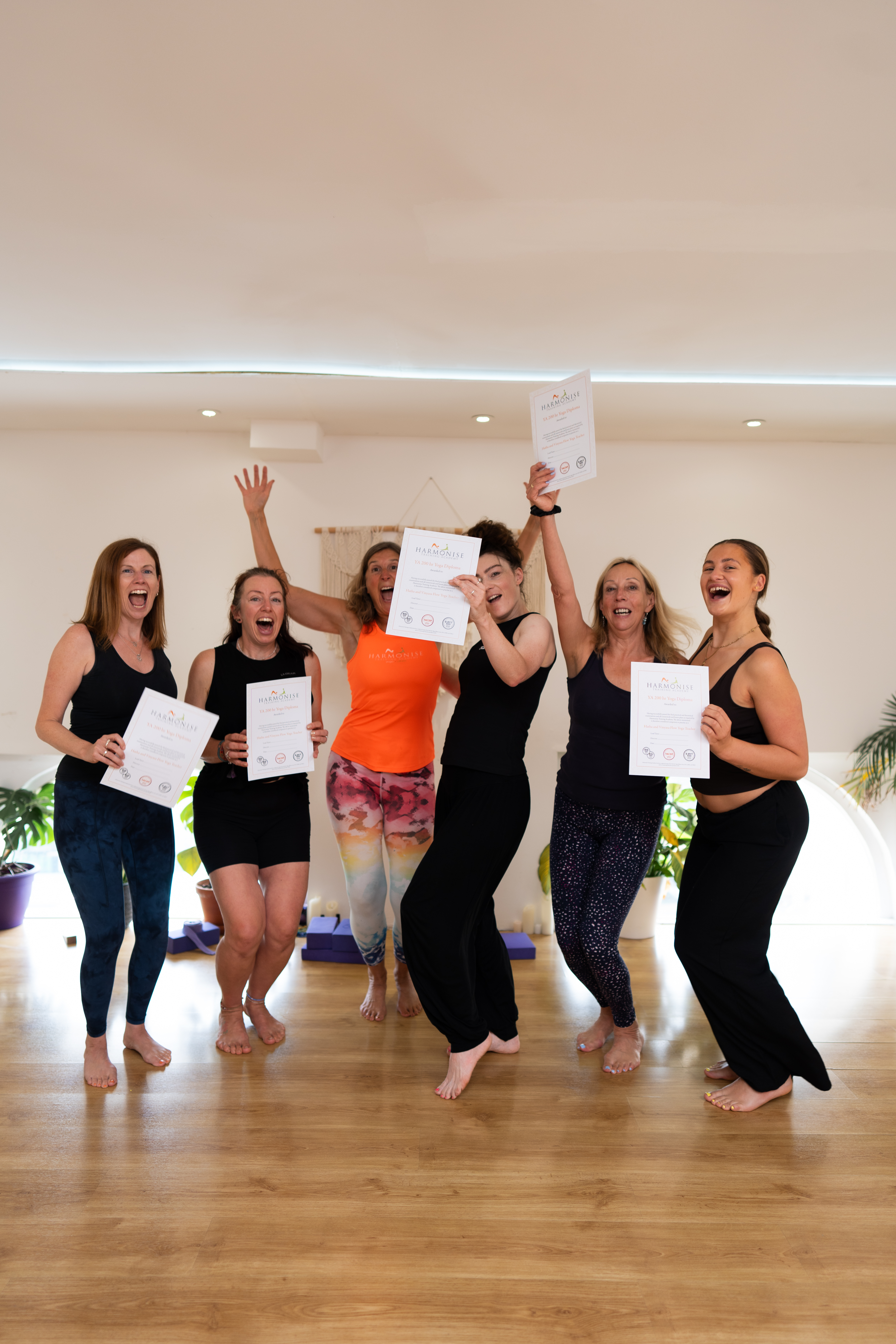
What makes a quality yoga teacher training?
As Yoga Alliance don’t stipulate any assessment processes, neither practical nor theoretical, I would highly recommend researching any yoga teacher training to ascertain how they ensure all of their graduates reach a certain benchmark prior to certification.
Look beyond the number of face-to-face training hours and find out what is actually included in the training. Is there pre-course learning? How much opportunity will you have to practise teaching? Is there assessment? What support is available between training weekends? And how does the training provider make sure you are ready to teach before you qualify?
After all, training up to be a yoga teacher is a big investment. In my humble opinion, it should also be a once-in-a-lifetime transformative experience that you will always look back on as a cherished once-in-a-lifetime memory with like-minded people. 😊
If you’re interested in hearing more about our 200hr Yoga or Pilates teacher training courses, we’d love to send you our free info pack. Over a couple of emails, you’ll get:
- Taster classes, both online and in-person
- A detailed video course overview and FAQs with our founder and lead tutor, Clare
- Free access to our class library, plus other benefits exclusive to trainees
- A free Zoom call with Clare
- … and more
Article by: Clare Francis


