Why Pre-Natal Movement Needs Both Strength and Mindfulness
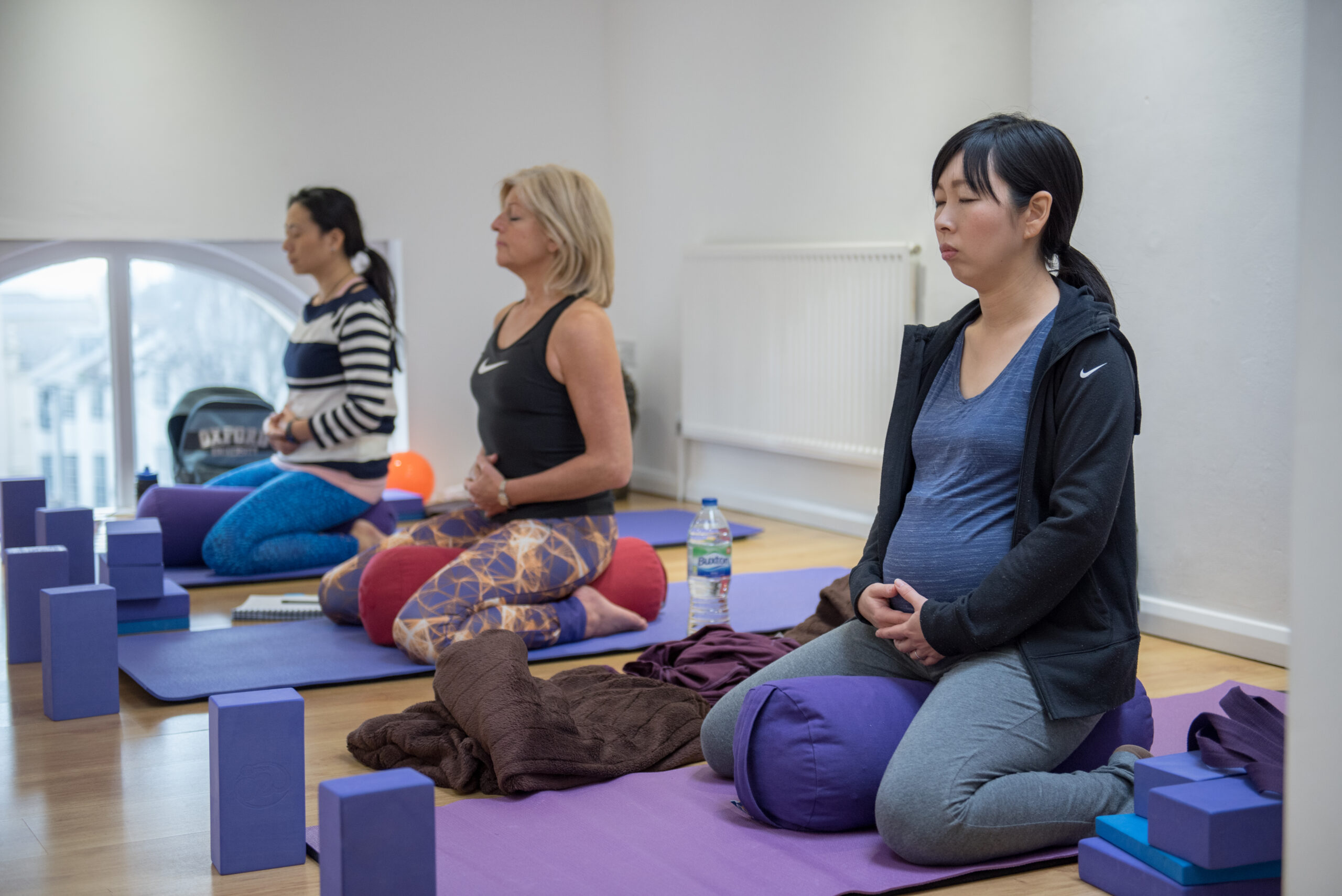
When people think about exercise during pregnancy, the first word that often comes to mind is relaxation. Prenatal yoga classes are often imagined as gentle stretching, breathing exercises, and creating space for rest.
While relaxation and nervous system support are incredibly important during pregnancy, they are only one part of the picture.
Many pregnant women want more than simply “taking it easy.” They want to maintain strength, feel capable in their changing bodies, and prepare themselves physically for birth and recovery. In reality, pregnant women can safely do far more than many people realise. Research in recent years shows that staying strong and active, as well as lowering stress levels during pregnancy leads to better outcomes during labour, and postnatal recovery.
For movement teachers, this raises an important question: how do we support pregnant women in a way that is both safe and empowering? One of the most effective answers lies in combining the strengths of two disciplines that approach movement from different but complementary perspectives: yoga and Pilates.
Strength is an Important Part of Pregnancy
Pregnancy is an extraordinary physiological process. Over the course of nine months, the body adapts in countless ways to support a growing baby. Posture changes, joints become more mobile, the abdominal wall stretches, and the pelvic floor is placed under increasing load.
Because of these changes, many women understandably become cautious about exercise. Sometimes this caution turns into the belief that movement should only be gentle or restorative.
However, maintaining strength during pregnancy can be incredibly beneficial.
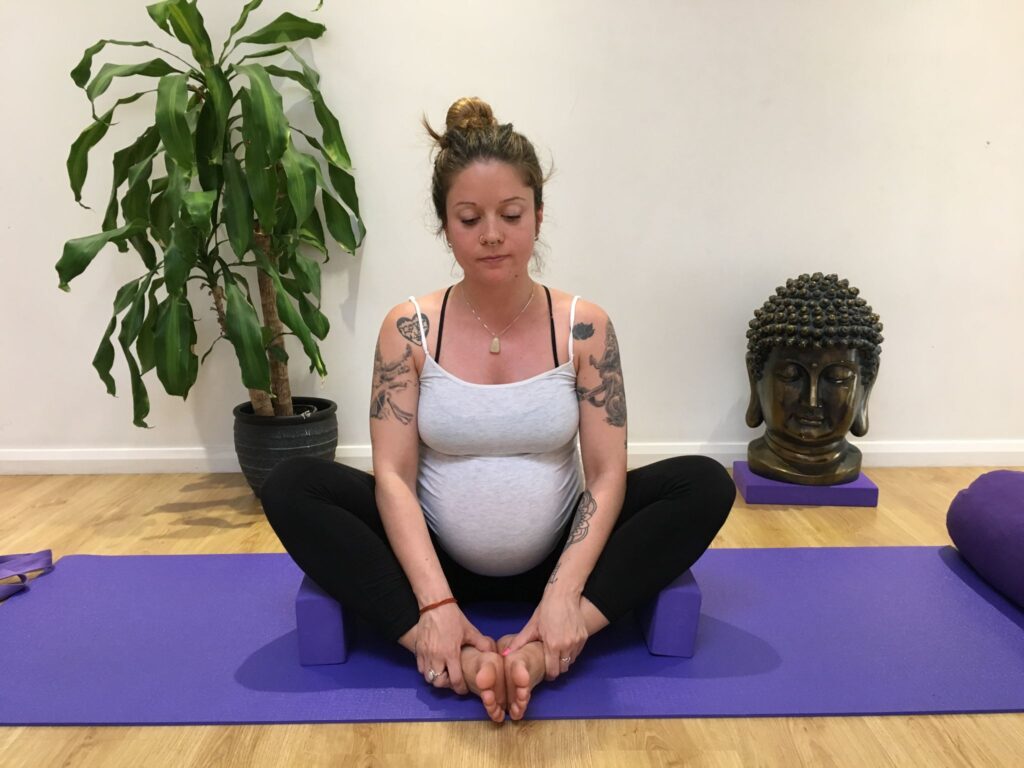
Building and maintaining strength can help support:
Postural changes as the body adapts
Stability around the pelvis and spine
Pelvic floor function
Energy levels and overall physical resilience
Preparation for the physical demands of labour and early motherhood
For many women, continuing to move and strengthen the body in a safe and supported way can feel deeply empowering.
Rather than feeling fragile, they begin to feel capable, confident, and connected to their bodies during a time of enormous change.
The Unique Strengths of Yoga
Yoga offers something incredibly valuable during pregnancy; benefits that go far beyond physical movement.
Practices such as breath awareness, mindfulness, and deep relaxation can help women regulate the nervous system and cultivate a sense of calm and presence during a time that can often feel overwhelming.
Pregnancy can be a vulnerable experience. For many women, it is the first time they are truly invited to listen to their bodies in a new way. Mindful movement and breathwork can help develop this deeper awareness and trust.
Yoga also provides tools that support emotional well-being and foster a stronger connection to the body throughout pregnancy.
These elements are essential, not only for physical comfort, but also for helping women feel supported and grounded during such a profound life transition.
The Structural Intelligence of Pilates
While yoga offers powerful tools for awareness and mindfulness, Pilates provides a particularly strong understanding of structure and support within the body.
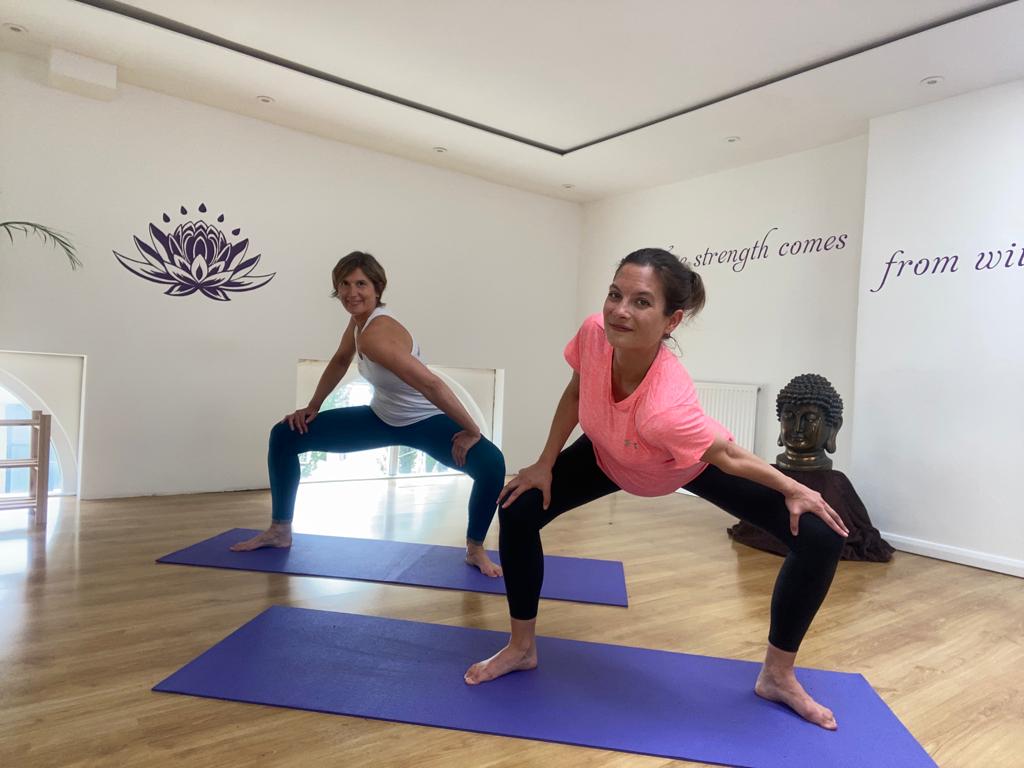
Pilates training focuses deeply on areas that become especially important during pregnancy and after birth, including:
The deep core system
Pelvic floor function
Pelvic alignment
Postural stability
Efficient movement patterns
Understanding how these systems work together can help teachers guide pregnant women safely through movement that supports, rather than strains, the body.
For example, knowledge of the core and pelvic floor can help teachers adapt exercises appropriately, avoid unnecessary pressure through the abdomen, and encourage healthy movement patterns as the body changes.
This structural awareness becomes even more important during the postnatal period, when women are recovering and rebuilding strength.
Bringing the Two Disciplines Together
When Yoga and Pilates are combined thoughtfully, they create a powerful approach to prenatal movement.
Yoga offers mindfulness, breath awareness, and nervous system support that many pregnant women need.
Pilates adds anatomical understanding and structural support, allowing teachers to guide movement safely and confidently.
Together, they help create classes that are not only safe but also empowering, supportive, and intelligently structured.
For teachers working with pregnant clients, insight from both disciplines can make an enormous difference in how confidently they guide their students.

An Embodied Perspective
Even with years of teaching experience and knowledge, pregnancy can bring new insights.
When you experience the changes of pregnancy in your own body, you begin to understand movement in a completely different way. You feel first-hand the shifts in balance, the changes in energy levels, and the evolving relationship with your body.
This embodied understanding deepens the way we support pregnant clients. It reminds us that while knowledge is important, so are compassion, adaptability, and confidence when guiding women through such a significant period in their lives.
Pregnancy can feel exciting, empowering, and joyful — but it can also feel uncertain and vulnerable. Teachers who truly understand how to support the body during this time can make a meaningful difference in helping women feel safe and capable in their movement.
Supporting Pregnant Clients with Confidence
For many yoga and Pilates teachers, the biggest challenge when working with pregnant students is not willingness, but confidence.
Teachers often worry about doing the wrong thing, or about not fully understanding what is safe at different stages of pregnancy and postpartum recovery.
With the right knowledge and training, however, working with prenatal and postnatal clients can become one of the most rewarding areas of teaching.
Understanding the physiological changes of pregnancy, the role of the pelvic floor and core system, and how to adapt exercises appropriately allows teachers to support their students safely and effectively.
Learn More
If you’re a Yoga or Pilates teacher looking to deepen your skills with pregnant and postnatal clients, the Pre & Post Natal Teacher Training Course at Harmonise Training Academy offers a comprehensive and practical approach.
This three-day course covers the anatomy and physiology of pregnancy, safe and effective exercise adaptations, and how to confidently support both prenatal and postnatal students in your classes.
The next training runs from 2nd–4th May, with early bird pricing available until 31st March.
Article by: Síofra Lamb


